Official Selections & Awards








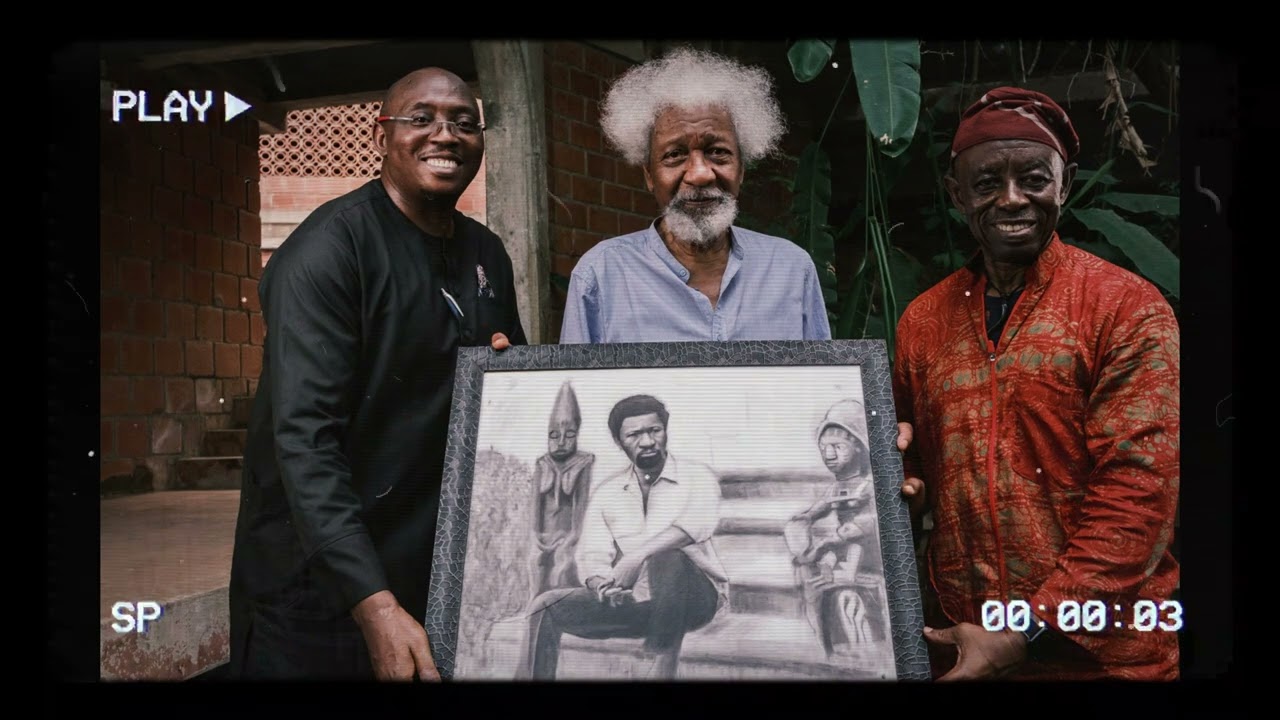
"How do we preserve not just what we remember but the physical markers of such transient memory?"
Official Selections & Awards
The Film
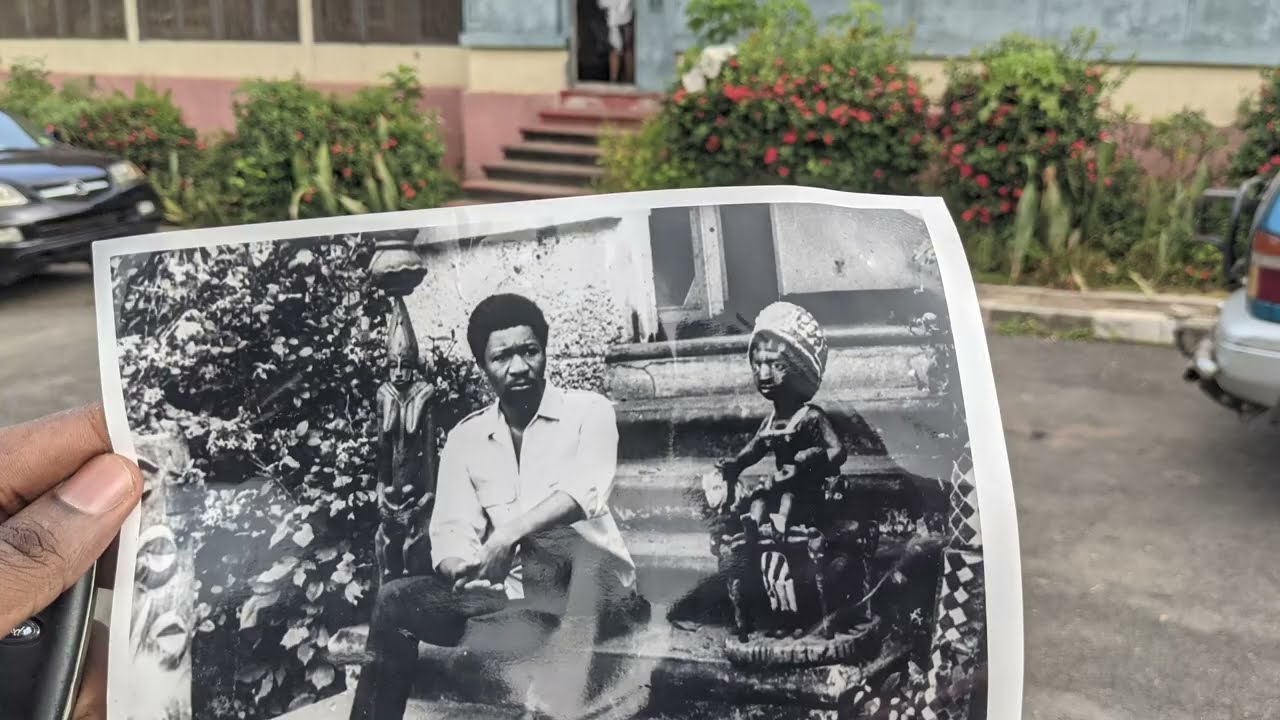
A small campus bungalow in the University of Ìbàdàn has played an outsized role in the life of one man, one family, one university, and the nation.
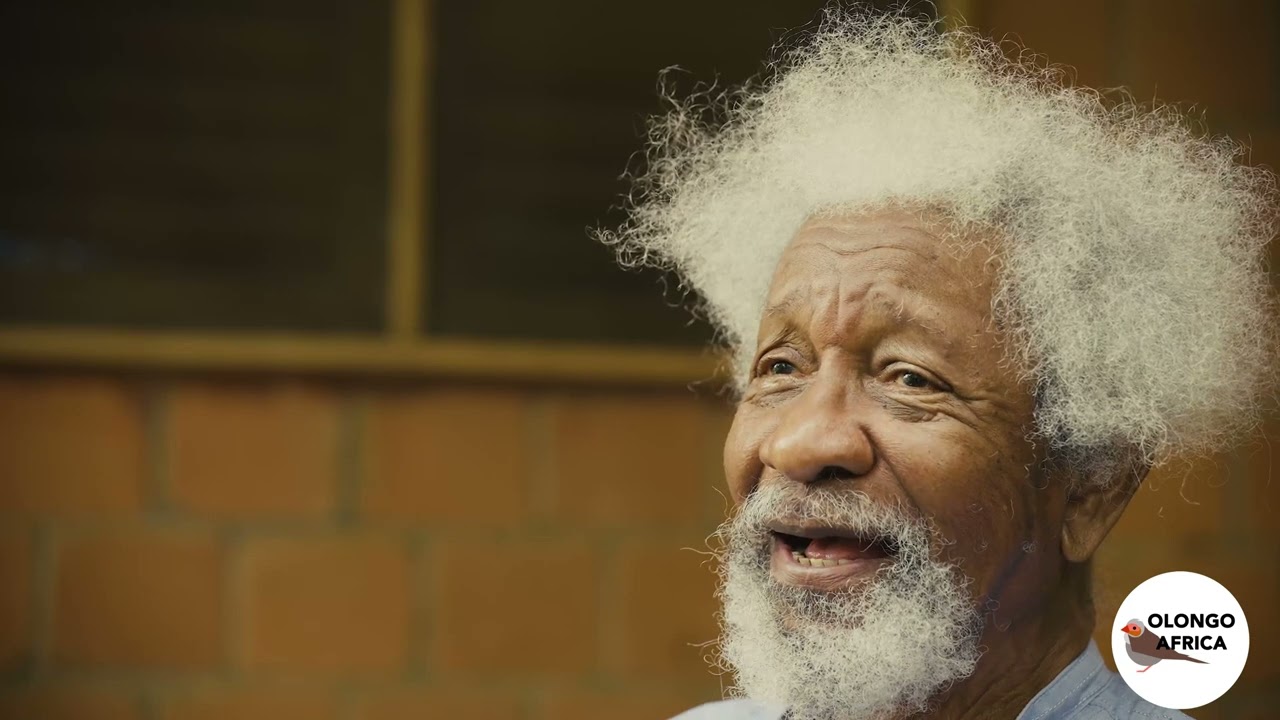
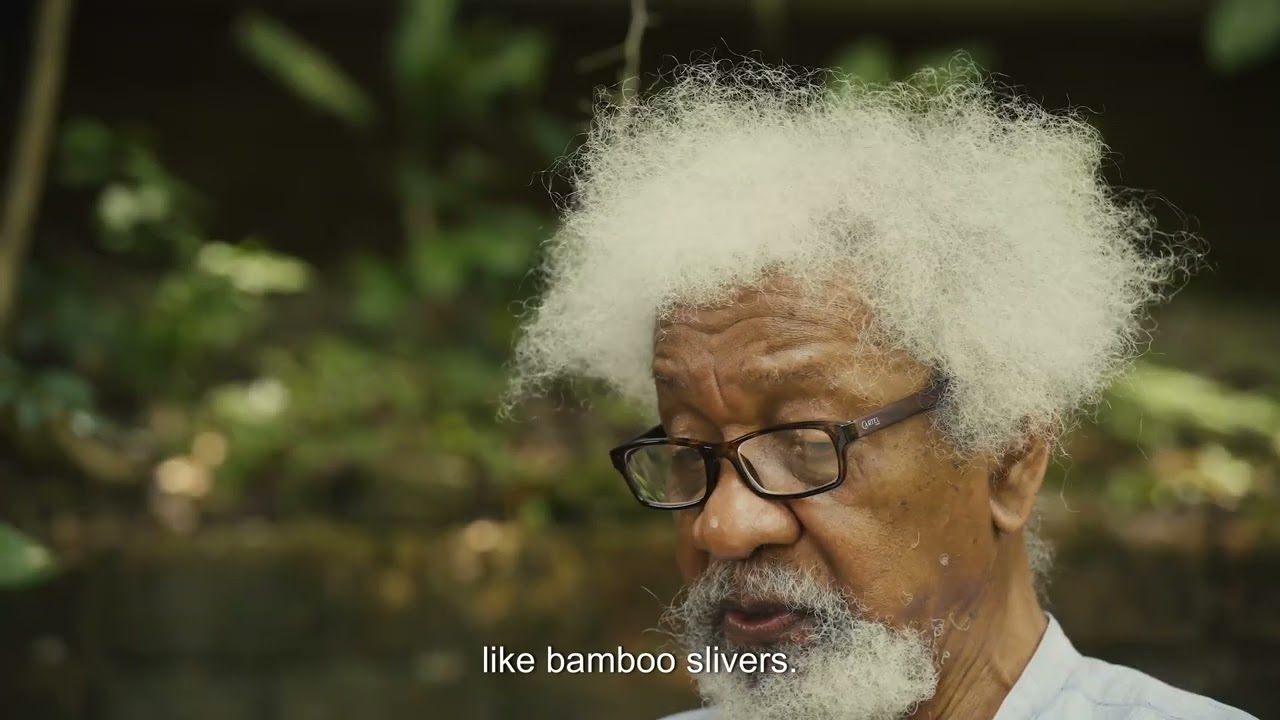
It was in this house on Ebrohimie Road where, sometime in 1967, writer Wọlé Ṣóyínká was arrested after having returned home from a visit to Biafra — a personal intervention in the Nigerian Civil War that was just breaking out.
He never returned to Ìbàdàn, choosing to take up a role at the University of Ifẹ̀ in 1976, where he retired in 1985, a year before winning the Nobel Prize in Literature.
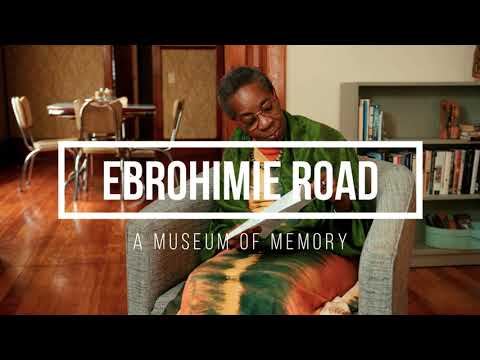
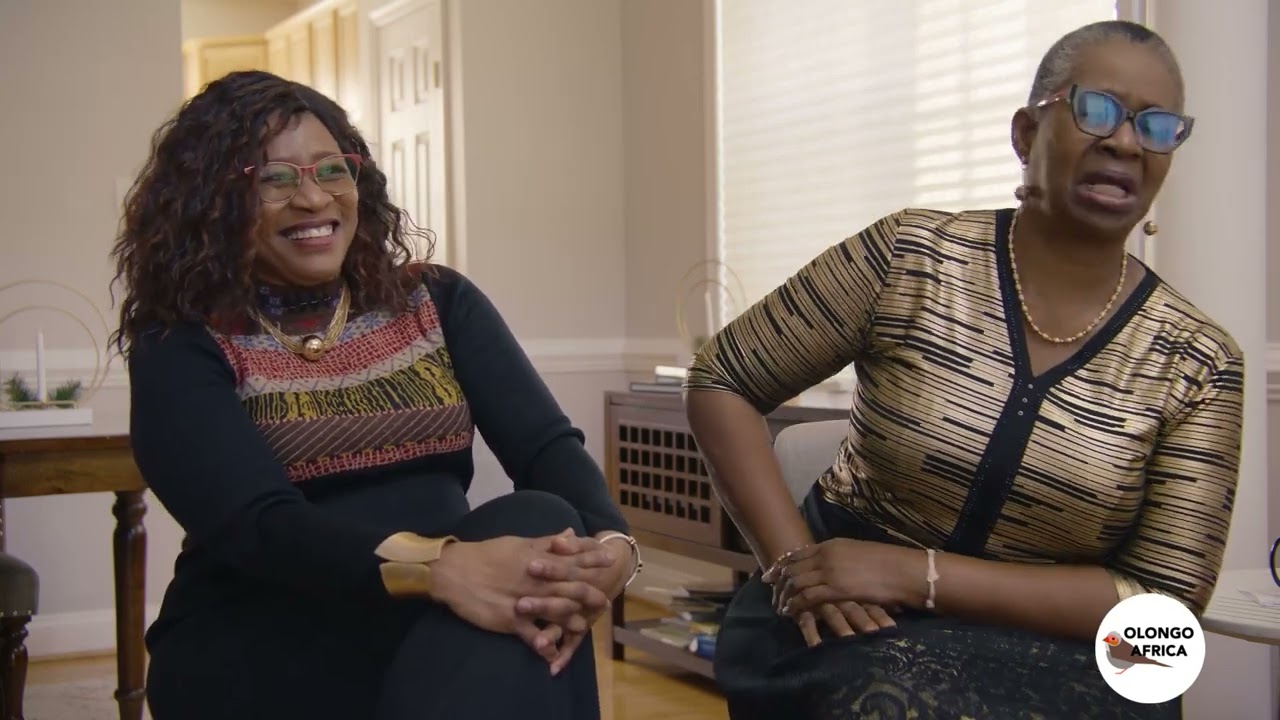
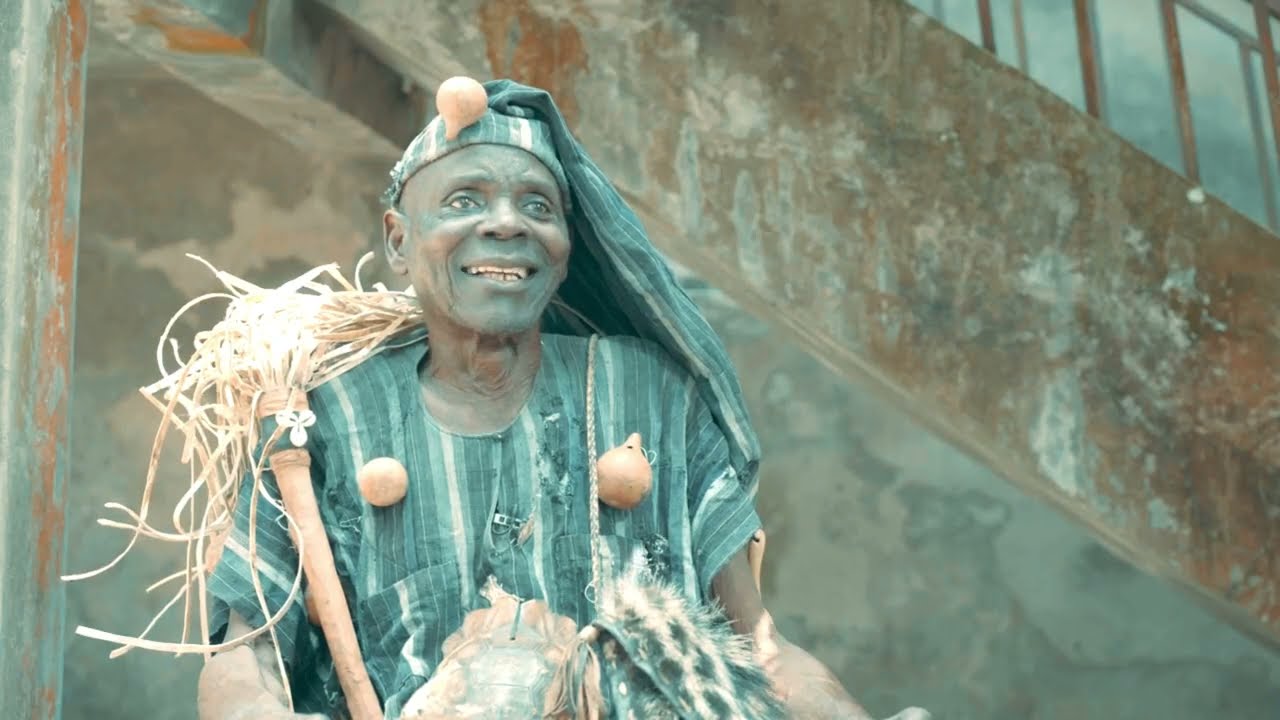
In Ebrohimie Road: A Museum of Memory, we examine how the personal became the national — through the recollection of central and peripheral characters; how a small campus residence became witness to some of the most significant issues in Nigerian social, political, and literary history.
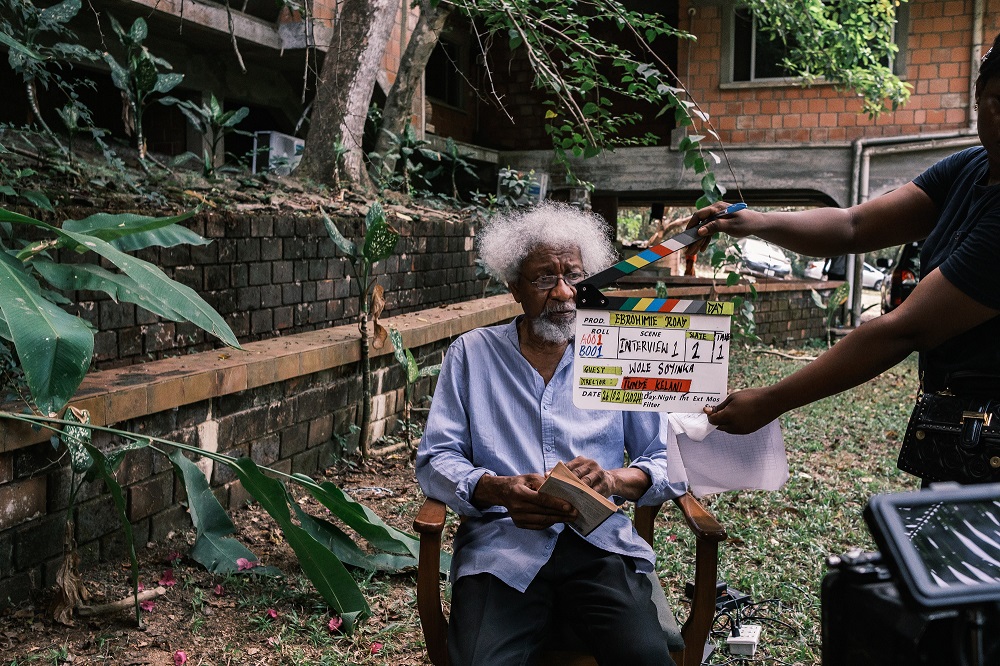
"The documentary's biggest achievement lies in the way it humanises Wole Soyinka by shining a bright light on the Nobel laureate's private life." — Toni Kan, The Lagos Review
Watch the Showreel
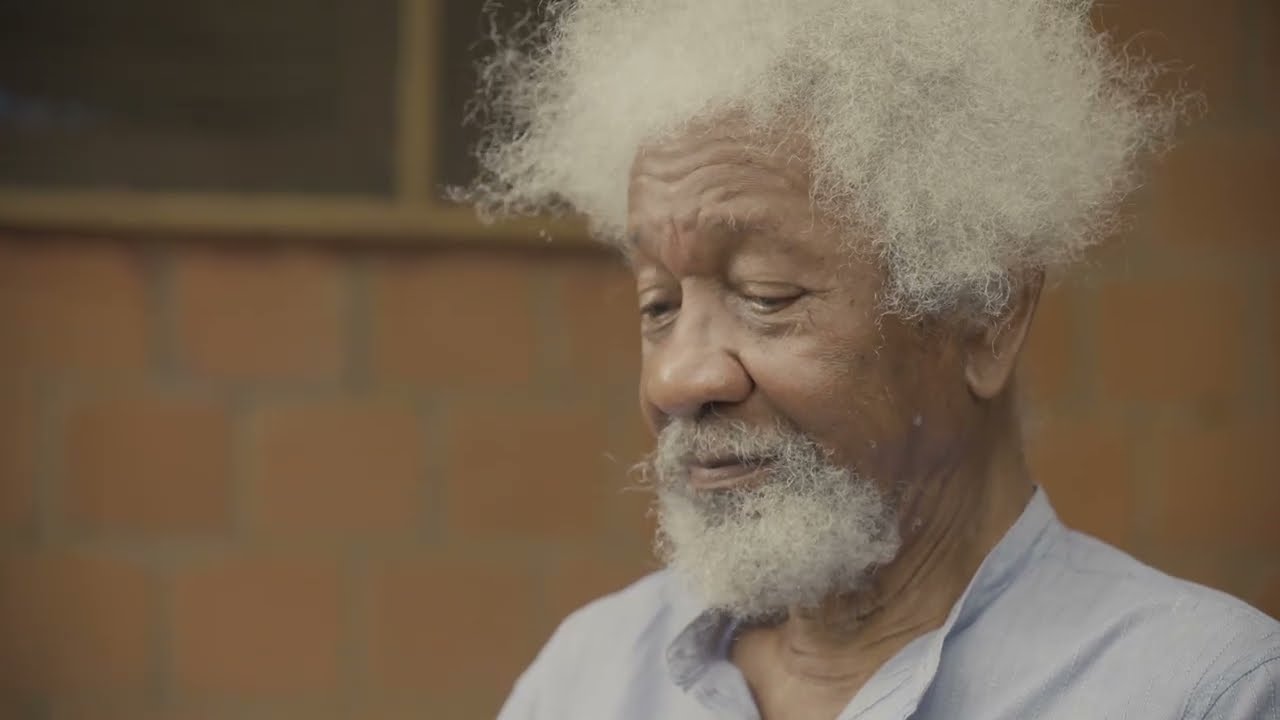
Stream & Own
Critical Response
"There haven't been many films that detail the life of any great Nigerian writer (at least while they are still alive) as Kọ́lá Túbọ̀sún's Ebrohimie Road: A Museum of Memory."
"The documentary — with cinematography by Tunde Kelani — peers into an itinerant, adventurous, and rebellious phase in the dramatist, poet, and novelist's life."
"The documentary's biggest achievement lies in the way it humanises Wole Soyinka by shining a bright light on the Nobel laureate's private life away from his books."
"The documentary seems genuinely invested in introducing viewers to the house at 8, Ebrohimie Road — one of the locations central to the artist's formation."
"Ebrohimie Road is more than just a documentary; it is a living, breathing archive of memories."
"The film's covert campaign, it appears, is a reconsideration of Soyinka's former home as a place worthy of preservation and restoration."
"An eye-opening work that centres the road itself as the protagonist."
"This was beyond anything I had imagined."
Filmmakers
Supported by


Press & Interviews
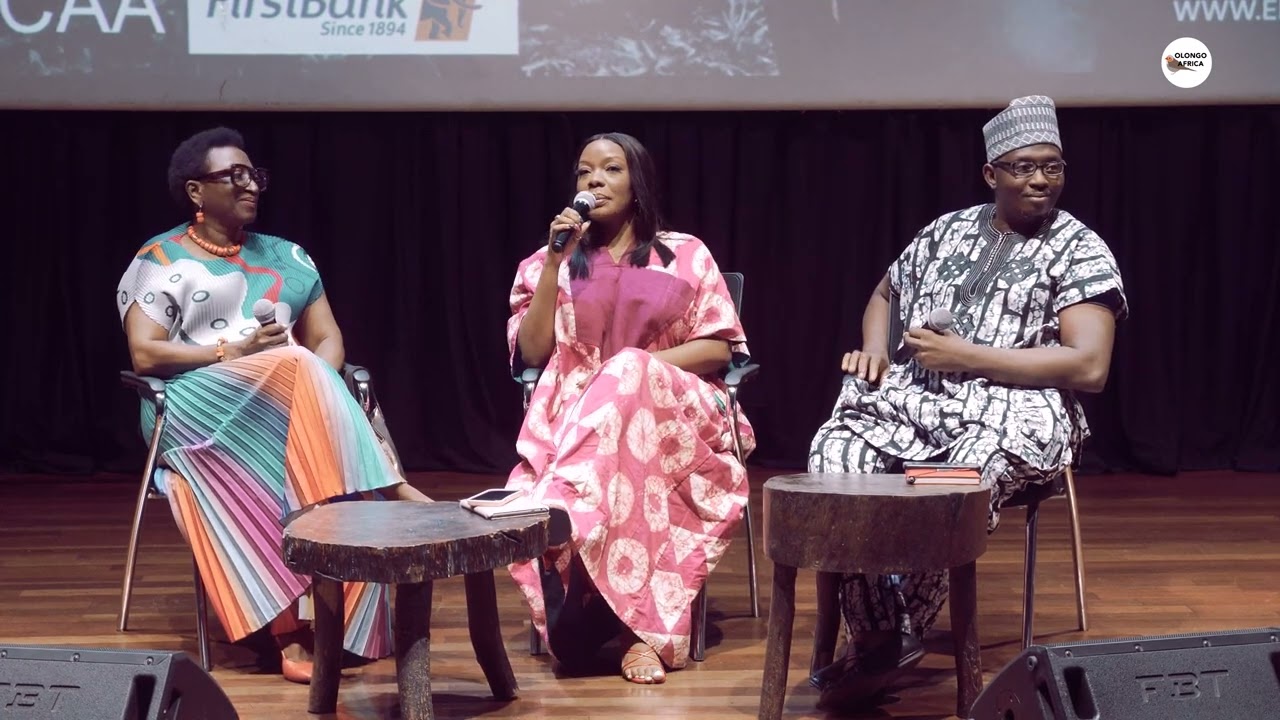
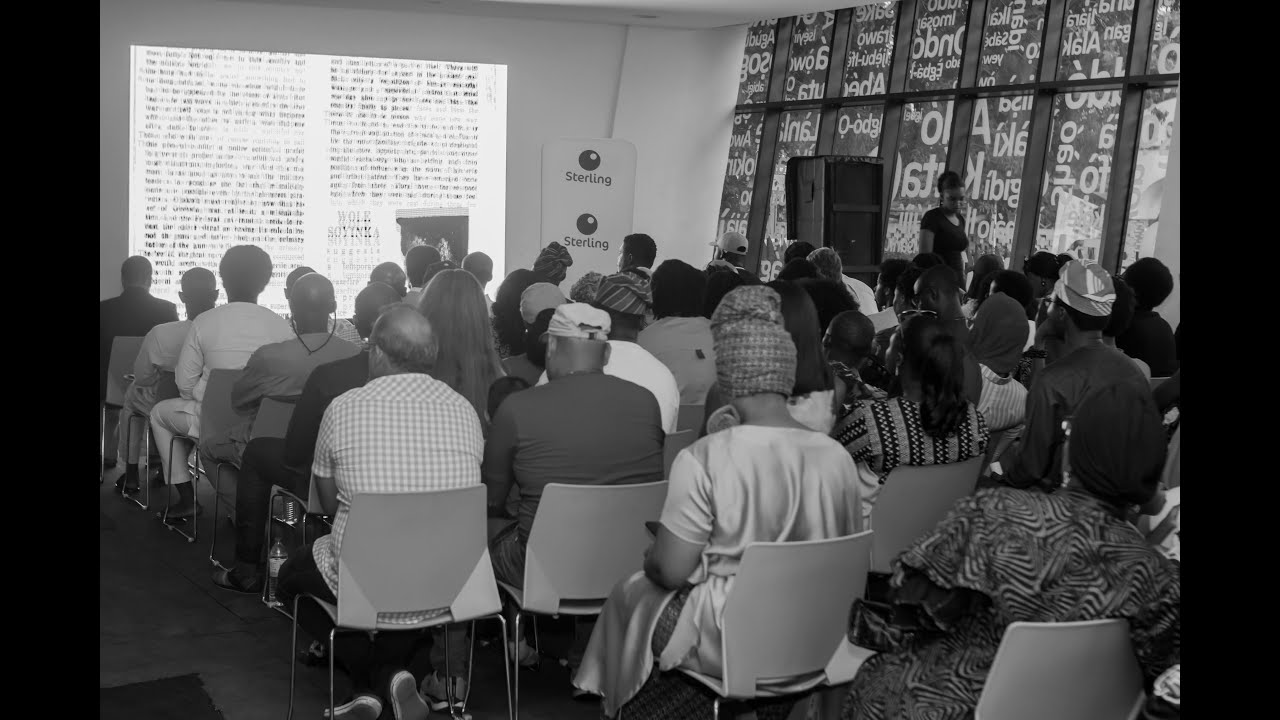
From the screenings